
This week, as part of my continuing efforts to promote good will for vegetables in our Veggie-Eating Kids series, I offer you a guest blog from Eric Clark, of Tossed(R) restaurants.
LOVE YOUR FRUITS AND VEGETABLES 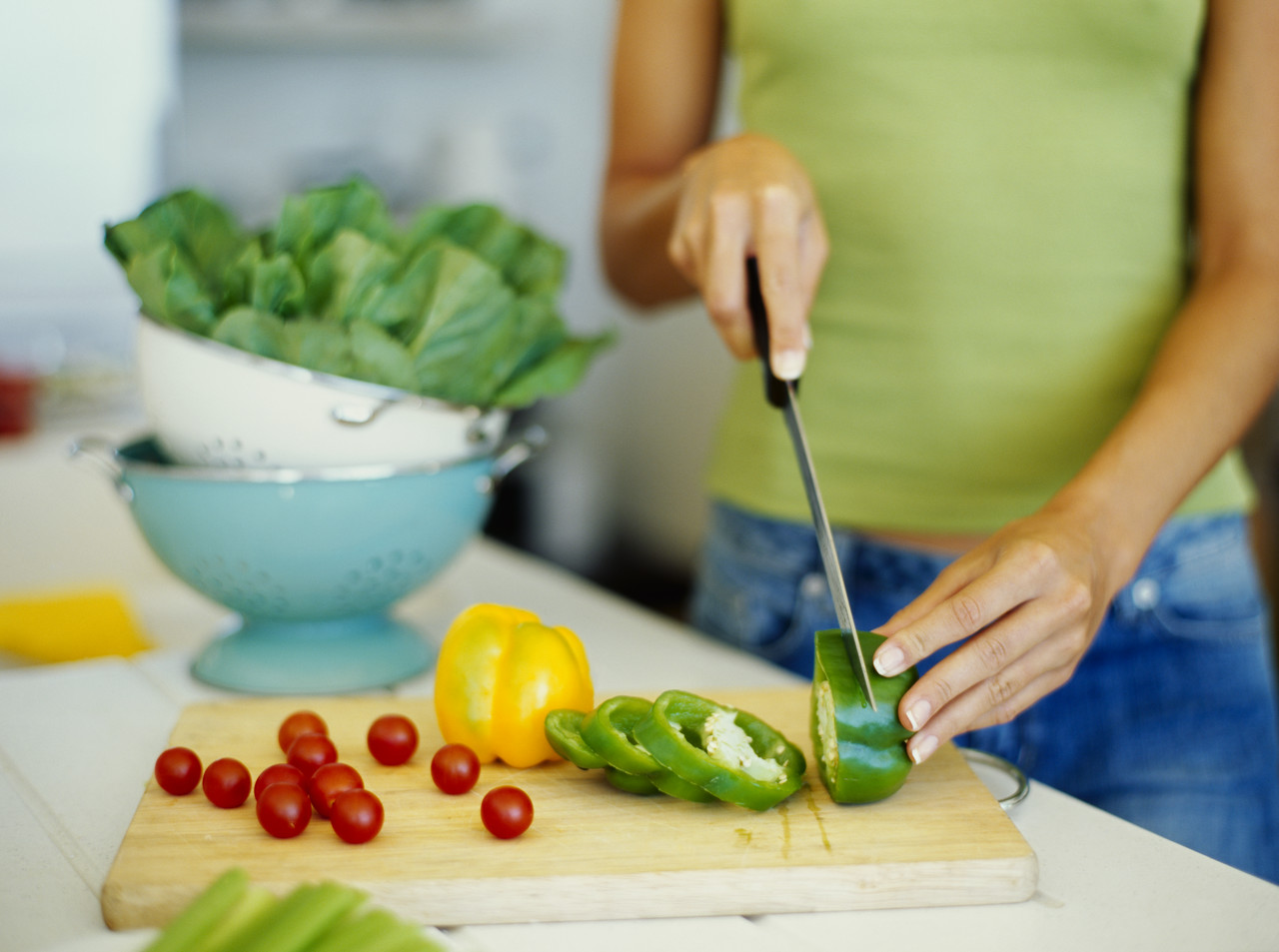
Simple, creative tips to encourage kids to eat what’s good for them
Only 22 percent of children ages 2 to 5 eat the recommended amount of vegetables every day, according to a 2009 study by Ohio State University researchers, and the percentage decreases as children age.
Humans aren’t born with a dislike of fruits and vegetables, so why is it so hard to get young ones to eat these super-nutritious foods? The truth is children learn to eat what they are given. If parents consistently serve fruits and vegetables at home, children will eat – and enjoy – them. It might take a little persistence. A 1982 study published in the journal Appetite found that it took children as many as 10 tastes over several weeks before they welcome a new food. But if you pay attention to what your child likes and slowly introduce new foods, you won’t have to continually coax them into eating the foods that are so good for them.
Some parents slice, dice or liquefy fruits and vegetables and sneak them into other foods. While the stealth approach may work for now, it won’t make children life-long lovers of fruits and vegetables, which should be the ultimate goal.
A person’s preferences aren’t just about taste, but also about texture. Many fruits and vegetables are more appealing raw than cooked, and that makes serving produce such as salad ingredients fast and easy. Does your child like crunchy or soft? Try to choose vegetables that are similar to your child’s texture preferences. And when introducing a new vegetable, avoid the more bitter ones like Brussels sprouts or asparagus and instead choose “sweeter” ones.
Following are a few other tips to help your child become a lover of fruit and vegetables.
1. What you see is what you get. Allow the kids to participate in the grocery shopping. Visit a local farmers’ market for fresh produce or harvest your own at a “you-pick-it” farm so children can see a farming operation. Plant your own garden – even in containers on a patio – to help them become interested in the growing process. Use the produce they’ve chosen in the next meal.
2. Can I help? Let the children assist with meal preparation; they’re more likely to eat what they’ve made.
3. Shape shifters. Use melon ballers or cookie cutters to craft fruits and vegetables – even cheeses — into fun shapes and use them as salad toss-ins or as a garnish. What child can resist eating a star-shaped cucumber or heart-shaped red pepper? Sliced fruits can be made into flower petals or moons.
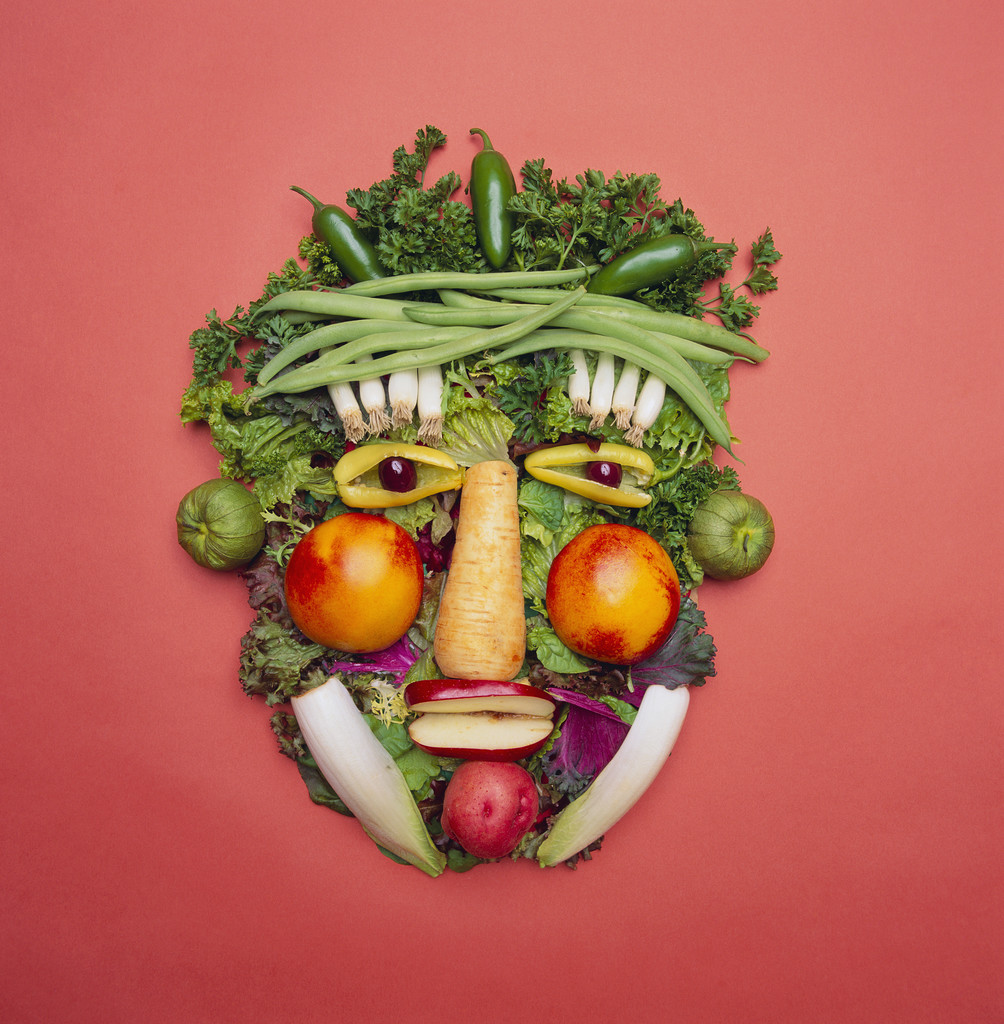 4. Mad scientists. Give your kids a variety of fruits and/or veggies and ask them to build a person. Cut a circle out of bread then ask the kids to make a face. They can use a cherry tomato for a nose, for instance, olives for eyes, a red pepper slice for the mouth, and broccoli for hair. Or, use toothpicks to connect baby carrots, sugar snap peas, jicama and other produce into the shape of a child or favorite animal. Enjoy the creations with a variety of flavorful dips such as hummus, yogurt or guacamole.
5. Sensational Salads. Salads – either as a side dish or entrée — are a simple way to serve healthy, nutrient-packed produce. Make it a point to try different add-ins until you find ones that click with your child. A super summer and fall salad combines fresh, sliced strawberries or apples with greens, blue cheese, walnuts and a tangy dressing. Add a protein such as grilled or blackened poultry or seafood, bacon or beef, or legumes, such as chickpeas, for a more filling dish.
6. Fruitie-tootie. Serve a bowl of mixed fresh fruit with a sprinkling of sugar or honey, cinnamon and coconut. Or you can place the fruit on skewers and serve with a honey yogurt dip. It’s OK to occasionally give your child sweet treats. Dip fruit in chocolate, fondue style, or serve with a whipped cream/marshmallow dip.
7. Wrap it up. Salad ingredients don’t need to be served in a bowl. Roll them in a whole wheat wrap with a tangy dressing for a wholesome lunch or meal on the go.
ERIC CLARK is Chief Operating Officer of Tossed®, a nationwide chain of restaurants serving garden fresh salads, crepe wraps and sandwiches. He also serves fruits and vegetables every day to his children, ages 9 and 11, and they love them.



 Everyone Around the Table
Leave a comment